Behind the blog: the editorial process that rewired my thesis writing.
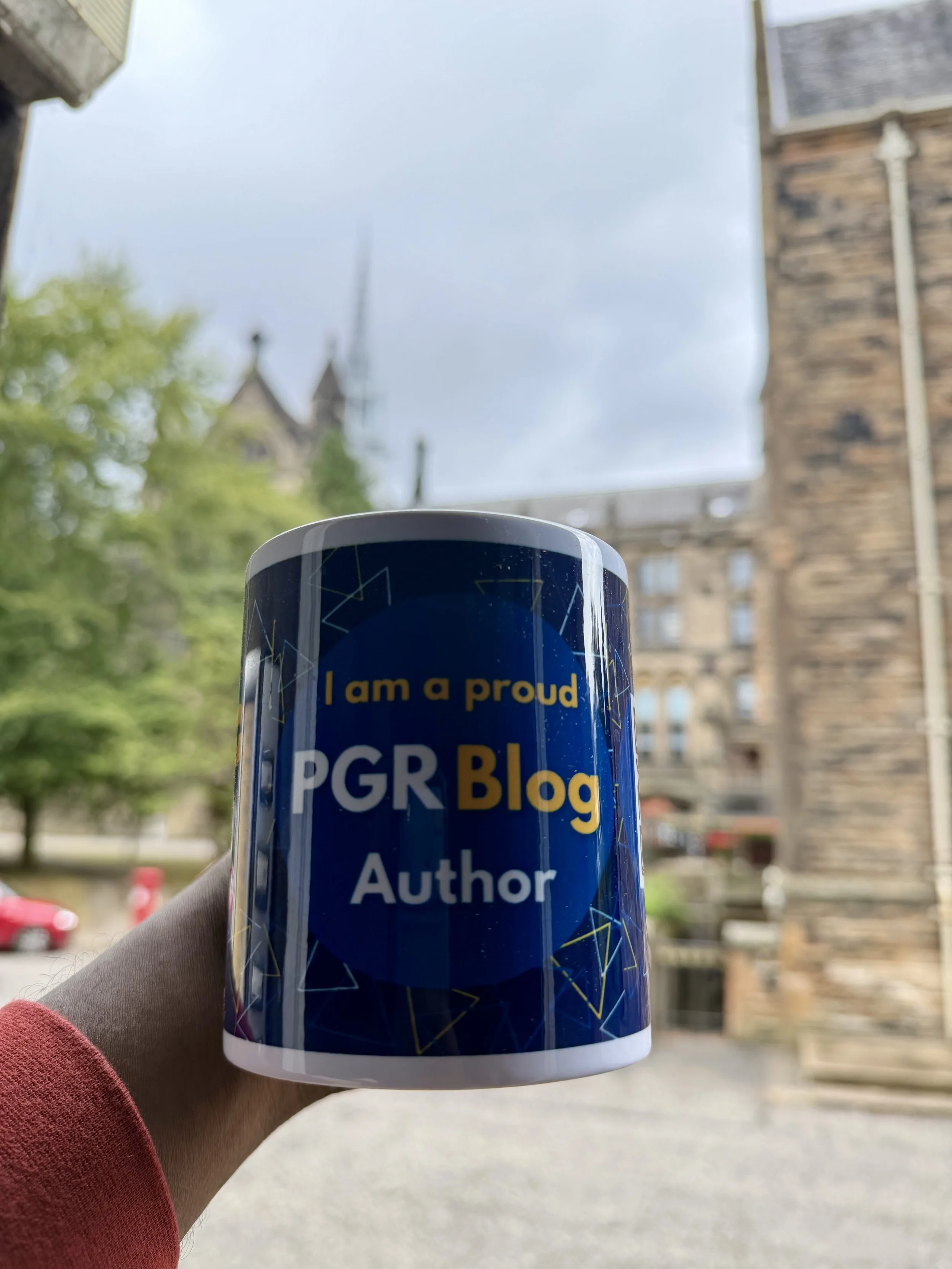
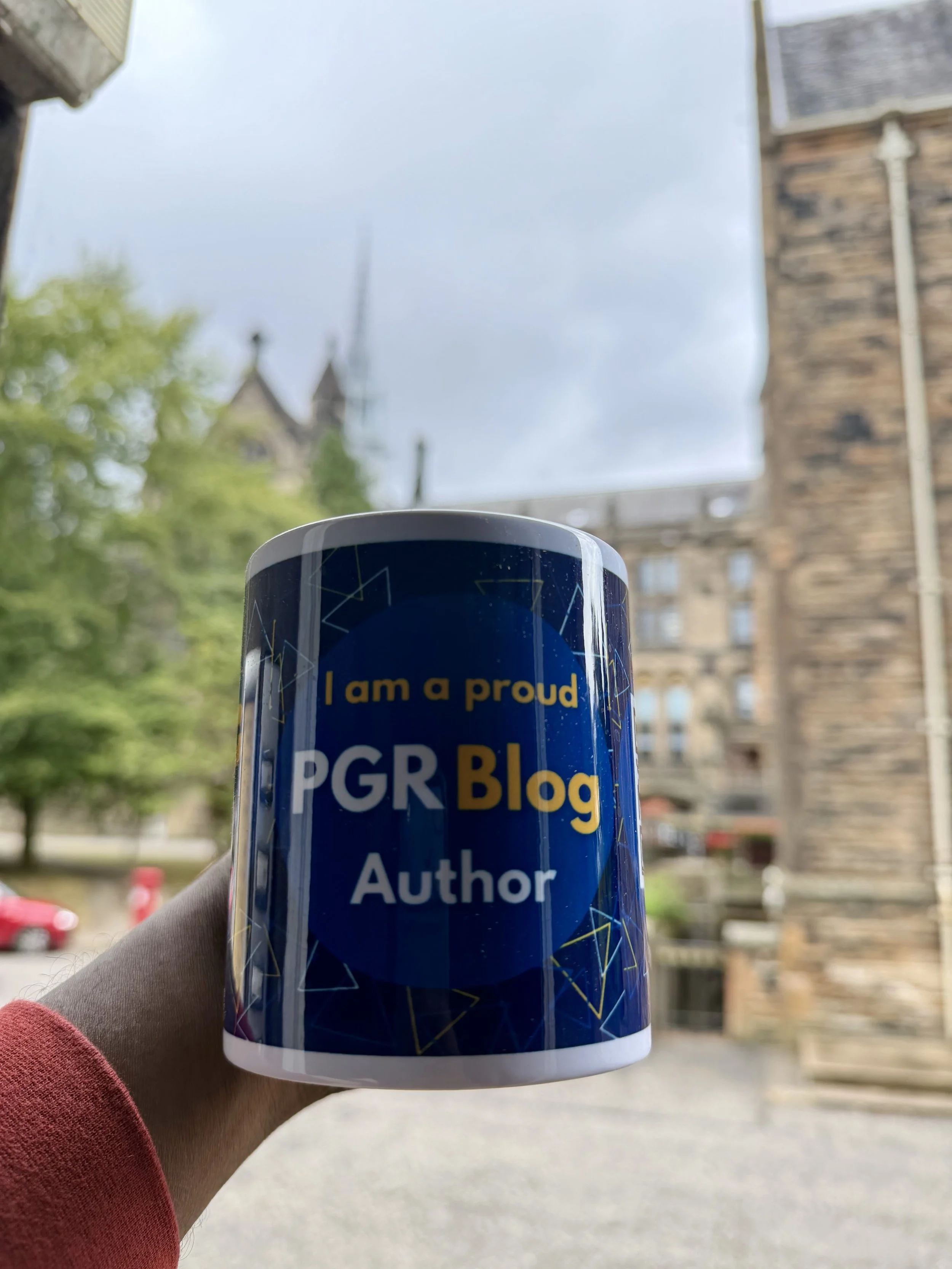
Image taken by the author
By Timothy Dziedzom Amaglo-Mensah, Research Culture & Research Development Writing Intern and Doctoral Researcher at the School of Education.
During my undergraduate years at Kwame Nkrumah University of Science and Technology in Ghana, my home country, I served as Editor-in-Chief of my residence hall newsletters and blogs. Since then, I have managed my own blog on Medium and written a blog post published on UKFIET, The Education and Development Forum. In fact, in 2021, I won the World Bank Blog4Dev Competition from Ghana and had the opportunity to write articles that were featured on the World Bank blogs. This experience with writing and blogs piqued my interest in becoming an RC&RD PGR writing intern. However, this current writing intern position has given me a fresh understanding and lessons that shape how I approach and think about my own writing in my current work as a doctoral researcher.
A few months into my time as the RC&RD Writing Intern, I noticed something odd about how I was reading blogs. I had stopped reading posts as a reader and started reading them as an editor. I was focused on checking where the hook landed and how long it took a piece to earn its "so what". While I think this is a slightly ruinous way to read a blog because you can lose the natural flow of reading, I have found that learning to read like this has a positive impact on my thesis writing process. Editing other people’s writing has also helped me become a better editor of my own work.
So, I thought it might be useful to pull back the curtain a bit. What happens between someone having an idea for a PGR Blog post and that post appearing in your inbox or your feed? It's less mysterious than it sounds, but there are a few steps in the middle that I think are worth naming, especially because they might make you more likely to pitch something, and because a couple of them apply just as well to writing a thesis.
Step one: the idea arrives in more shapes than you would think
Some pitches come fully formed with a title, three paragraphs, done. Most don't. More often it is a message that says something like "I have been thinking about how nobody talks about X". My job at this stage is mostly to listen for the actual post hiding inside the message. For instance, what starts as someone venting about a frustrating supervision meeting is often a starting point for a genuinely useful piece on giving or receiving feedback.
Step two: the invisible scaffolding
Once there is a workable idea, there is a bit of unglamorous back-and-forth, like agreeing on a deadline that reflects PGR life and deciding which category the post sits in. Is this a Career Direction piece, a PGR experience, or a Wellbeing one? These decisions shape the angle of the blog before a word is written, because they tell the writer who they are talking to. I am upfront about what the blog is and isn’t. It’s not a journal. Nobody needs a literature review. What it needs is a clear, honest, first-person account of something the writer has lived through, written the way they would tell it to a friend over coffee.
Step three: the first draft, and the gap between thinking and writing
This is where most posts get stuck, and I say that with real empathy, because it is exactly where part of my own doctoral work got stuck this summer. Many writers and potential writers I have encountered have told me some version of "I know what I want to say, I just can’t get it onto the page." During this time, permission is what usually helps, not a writing tip. Permission to write the bad version first. Permission to start in the middle. Permission to send me something rough rather than something polished, because a rough draft with a real idea in it is easier to work with than a polished draft with nothing underneath.
Step four: editing is mostly asking questions
When a draft comes in, my role is not to rewrite anyone's voice because that would defeat the point of the blog. What I am doing is closer to what a good supervisor does with a chapter draft: asking where the reader might get lost, where a claim needs an example, where the ending is doing less work than the opening promised. The single most common note I give is some version of "say more about this bit and less about that bit", which is the exact note I have had to learn to give myself in my own writing.
Step five: the parts nobody thinks about
Then there is everything that happens after the words are right. This includes sourcing an image that doesn't feel like stock photography, writing a title that survives being scrolled past, scheduling the article so it doesn’t land the same week as three other posts and drafting the caption that gets it in front of people on Instagram in the first place. None of this is writing in the traditional sense, but all of it decides whether the writing gets read.
Why this has quietly changed how I write my thesis
I didn’t expect an internship in research culture and researcher development to make me a better thesis writer, but it has. I now write my chapters the way I coach contributors to write their posts: get the rough shape down first, then go back and ask the annoying questions: where does the reader need more? Where am I hiding behind jargon? Does the ending land? It turns out that the discipline of getting someone else's idea from a half-formed message to a finished post is, in miniature, the same discipline PGR writing asks of all of us. I just get to practise it on other people's work first.
If you've got an idea rattling around that you're not sure is "a blog post yet", it probably is. That's exactly the stage I'm here for. All potential contributors can get in touch by emailing me at Timothy.Amaglo-Mensah@glasgow.ac.uk to kick-start the process.