Working alone, not being alone: building community as a non-lab PGR
Phoebe Reilly is a final-year PhD researcher in Law, researching how universities respond to reports of student gender-based violence, alongside third-sector work with gender-based violence charities.
When I became a PGR, I found the shift from taught study to independent research jarring. I moved from learning alongside peers to a more singular academic life. Now, the work was mine to shape, mine to manage and, quite often, mine to sit with…alone.
There is a great deal to value in that independence. It is one of the reasons many of us choose research in the first place, and the flexibility of research is something I don’t take for granted. But for PGRs whose work does not take place in a lab or shared project space, the independence of doctoral research can also become quite isolating. Much of the work happens alone, and over time that can make the PhD feel not only independent but disconnected from the wider university around you.
At first, I thought this was part of the challenge of all doctoral work, and while this is true to an extent, speaking to other PhD students across the university made me realise how much research environments can differ. I envied friends and colleagues who worked in labs, where people were physically together each day. For all the best intentions in the world, hot-desking does not fully replace that. It can give you a place to work, but it does not automatically create the same rhythm of regular contact, shared routine, or community. For many non-lab PGRs, community must be made more deliberately.
One of the most valuable things I did was to start going along to things I had been sent by email. Like many PGRs, I receive a lot of emails about events, workshops, talks and opportunities. It is very easy to skim them, think “that sounds interesting”, and then never go. But when I did go, those events became some of the most energising parts of my research experience.
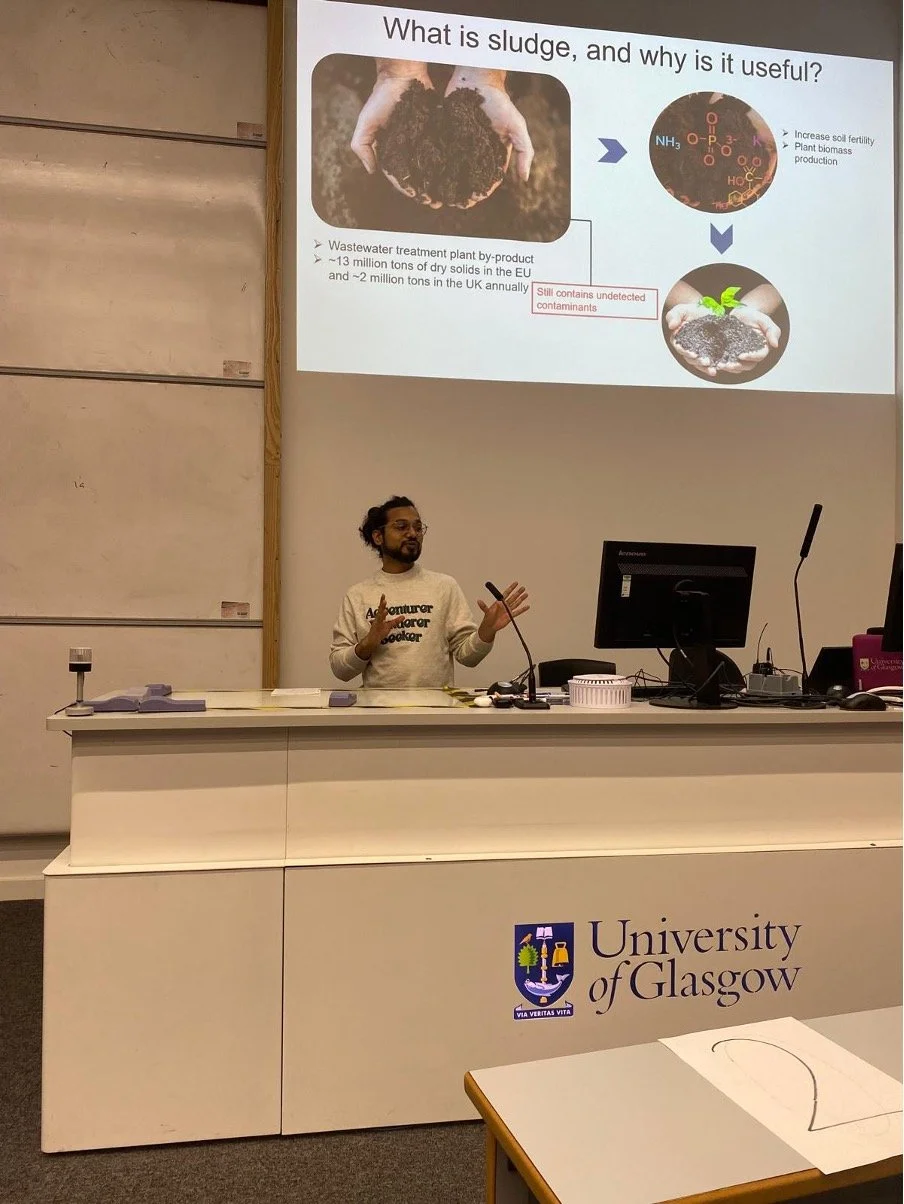
Attending events introduced me to the Women in Law group, which led to some RA work on a couple of different projects. More importantly, it introduced me to a group of academics whose work, commitment, and collegiality have continued to be a source of inspiration and connection. I am not sure they know how much of a touch point they have been for me, but they have remained an important part of how I feel located within the university. Attending their events gave me more confidence to attend other sessions, and as such I have met like-minded colleagues, heard about work beyond my own project, and felt part of a wider intellectual and social community.
This does not mean it is always easy. I will often phone someone to chat as I walk to events, to distract myself from the nerves of entering a new room. I am lucky to be extroverted, but even then, I believe in “fake it until you make it” when it comes to confidence. Eventually, though, the rooms became known, and so did I. On reflection, I feel that the skill I was developing was not confidence, but trying.
I have heard this advice from many successful people: try getting involved. This has stayed with me because it is both simple and demanding. It asks very little in theory, but in practice it means being willing to put yourself forward before you feel fully ready. Now, it is a professional priority for me to put myself out there and attend events where I can, with each instance making the next one slightly easier.
Still, not all community needs to come from work. Another important step for me was trying a new sport, completely unrelated to the university. It gave me a different kind of structure, one where I could show up, learn something new, and be around people who were not asking me how my thesis was going. Sometimes the best support for your research life comes from having parts of your life that are not about research at all. The skill is in recognising the value of this idea, even if it is not obvious in advance.
I once read that the cost of community is personal inconvenience. For a PGR, that inconvenience might be the awkward first interaction, the event you nearly did not attend, or the moment you decided to put yourself forward. But in-person community is worth it. A non-lab PhD can be lonely, but it does not have to remain that way. Often, it begins with taking the email invitation seriously, going along to the event, and giving yourself a chance to become familiar.